
Most emergencies in Bountiful are handled by professionals. Medical calls, car accidents, a single house fire — you call 911 and trained responders come. That system works, and nothing on this page replaces it.
A disaster is different. An earthquake, a wind event, a wildfire or a flood can affect hundreds of households at once and overwhelm the police, fire and medical crews serving them. In that situation calling 911 may not be an option, and help may not reach your street for some time. That is what Bountiful’s volunteer emergency response system exists for.
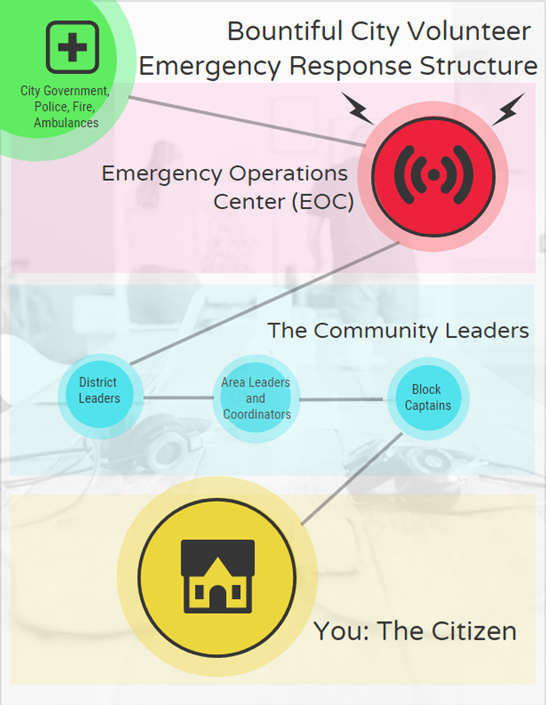
How your neighborhood is organized
Bountiful’s volunteer response is organized into 13 districts – 12 within the city and one more that works with the Bountiful EOC – each split into areas, and each area into blocks of roughly 5–10 homes. Every district, area and block has an assigned leader, so every home in the city already has volunteers responsible for checking on it.
In a disaster, information moves up that chain: you tell your block captain, who tells the area leader, who tells the district leader, who reports to the Emergency Operations Center — run by the Bountiful Neighborhood Emergency Preparedness Council at the Bountiful Police Station. The EOC decides where the greatest needs are and coordinates with professional responders to get help there first.
How we communicate when the phones don’t work
In a large disaster the systems most people rely on are the first to fail. Cell towers lose power or overload, the internet goes down, and 911 lines saturate. Bountiful’s volunteer response does not depend on any of them.
The council’s emergency communications run on amateur (ham) radio — operators stationed at the Emergency Operations Center and across the districts who can pass messages when nothing else is working. It is why the council sponsors Technician license classes and works alongside the Davis County Amateur Radio Club and ARES.
What you do first
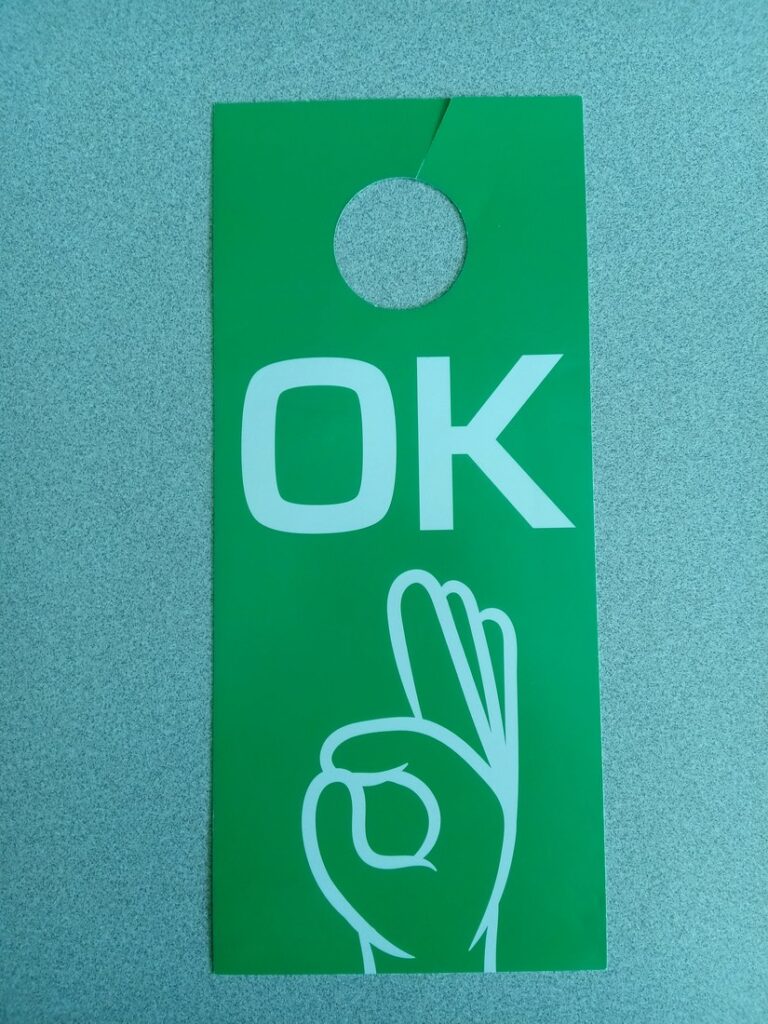
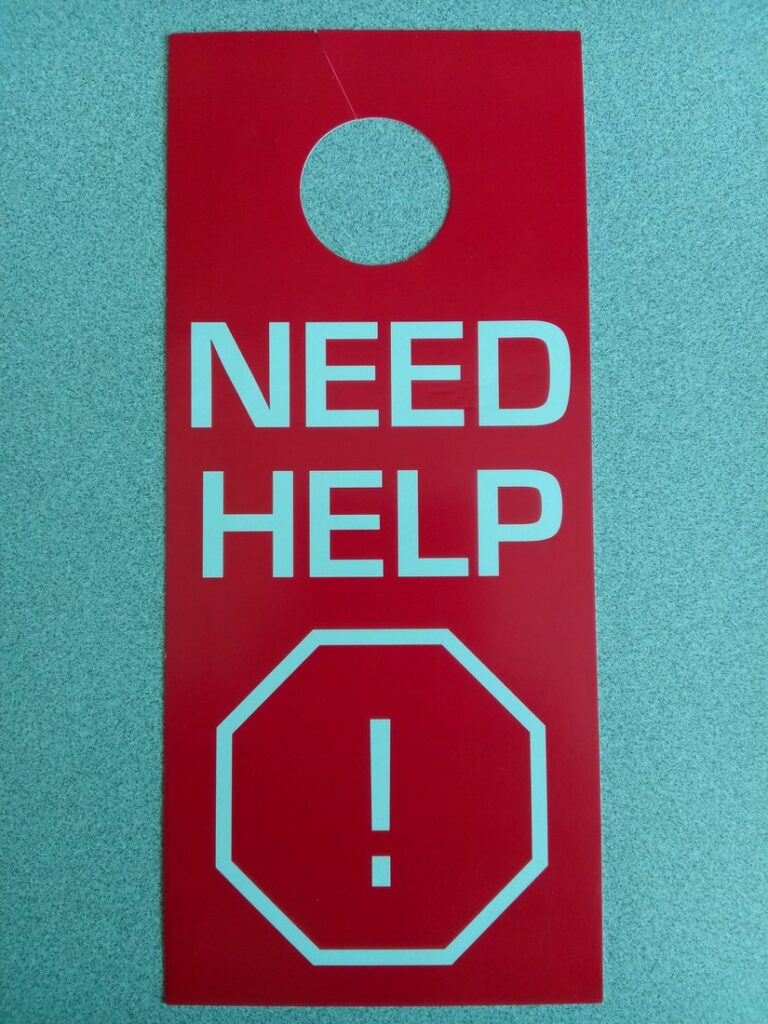
Your first job is your own household. Make sure everyone is safe, then put your door card in a front window or on your door so your block captain can see it from the street without knocking:
- Green “OK” — everyone here is fine.
- Red “NEED HELP” — someone here needs assistance.
This one step lets a block captain clear an entire street quickly and send help where it is actually needed. If you do not have a door card, ask your block captain or area leader.
Then what
What comes next depends on your household. The best preparation is a written household plan, and the best training is CERT.